The Ultimate Guide to Handling Pain When Running
For runners, experiencing discomfort during runs is not unusual, and understanding just how to effectively manage and stop it can make a considerable difference in your general performance and satisfaction of the sporting activity. Whether you are a seasoned marathoner or just starting your running journey, understanding the numerous kinds of discomfort that can occur and the methods to resolve them is important. From pre-run warm-up routines to proper footwear selection, there are numerous factors to consider when it concerns dealing with discomfort while running. This detailed guide will outfit you with the knowledge and devices required to navigate with the pain and encourage you to achieve your running objectives with better convenience.
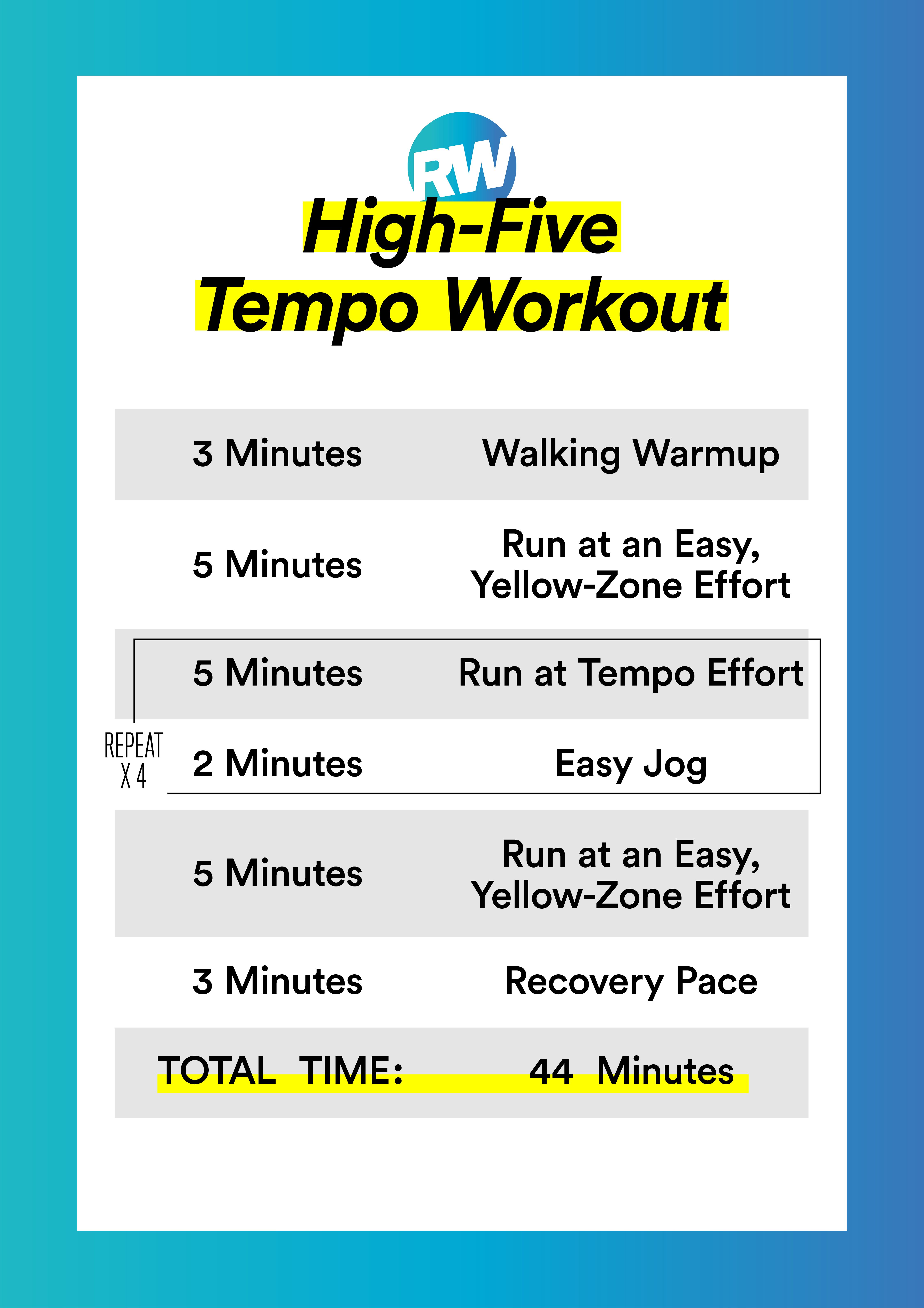
Understanding Different Sorts Of Running Discomfort
When running, it is crucial to identify between different types of discomfort to avoid injuries and take full advantage of efficiency (Read More). One typical type of pain that runners may experience is muscular tissue pain, which typically arises from the stress and anxiety placed on muscles during exercise. This type of discomfort is typically a typical component of the running process and can be managed with proper workout, cool-down, and extending regimens
One more sort of discomfort to be familiar with is joint pain. Joint pain can show concerns such as overuse, inappropriate form, or underlying problems like arthritis. Neglecting joint pain can cause extra serious injuries, so it is important to deal with any kind of discomfort immediately and perhaps seek professional advice.
In addition, sharp or stabbing discomforts should not be ignored. These sorts of discomfort can signal intense injuries such as strains, sprains, or tension fractures - running strategy. Remaining to go through these kinds of discomfort can exacerbate the injury and extend recovery time
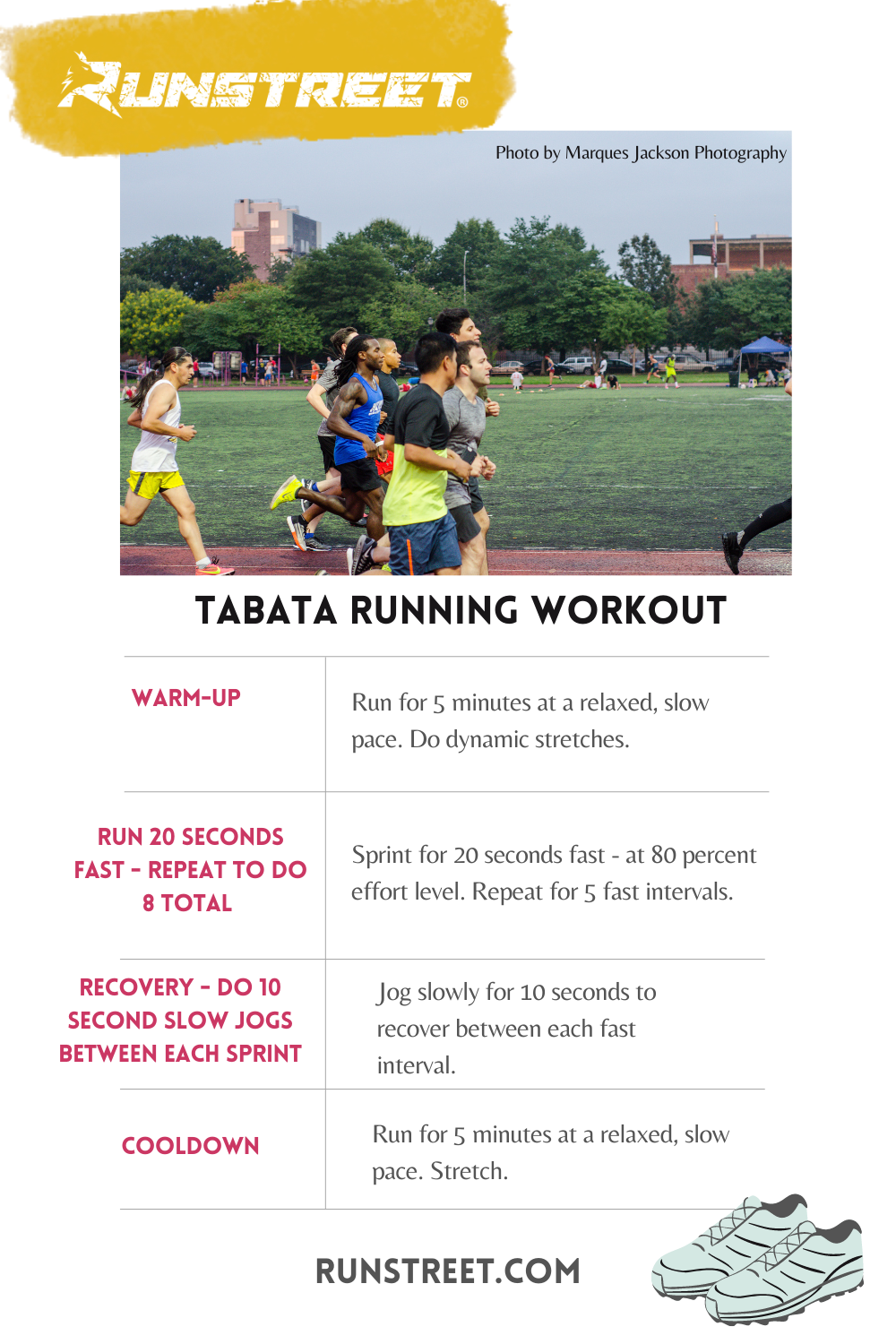
Pre-Run Warm-Up and Stretching Regular
To prepare the body for a running session, executing a reliable pre-run workout and extending regular is vital. An appropriate workout assists increase blood flow to the muscles, boosts flexibility, and lowers the danger of injury throughout the run. Begin with vibrant stretches like leg swings, arm circles, and high knees to gradually increase your heart price and loosen up the muscular tissues. Dynamic extending helps imitate the motions you'll be doing while running, preparing your body for the task in advance. Follow this with fixed stretches concentrating on major muscle groups such as the hamstrings, quadriceps, calf bones, and glutes. Hold each stretch for regarding 15-30 seconds without jumping to advertise muscular tissue relaxation and adaptability. Remember to pay attention to your body and change the intensity of your workout based upon your fitness degree and any pre-existing conditions. By incorporating a consistent pre-run warm-up and extending routine into your running regimen, you can optimize efficiency and reduce the danger of discomfort or injury.
Proper Shoes Choice and Fit
When selecting running shoes, it is essential to take into consideration aspects such as foot type, running stride, arch support, cushioning, and shoe size. Visiting a specialty running shop for a stride evaluation and expert fitting can aid make sure that you select the right shoes for your individual requirements. Spending in premium footwear that is suitable for your running design and foot composition is a proactive step in the direction of avoiding pain and injuries during your runs.
Nourishment and Hydration Tips for Pain Prevention

Hydration is just as vital for runners to stay clear of aches, dehydration, and other discomforts that can lead to pain during running. By focusing on nourishment and hydration, runners can improve their efficiency, lessen discomfort, and appreciate an extra comfy running experience.
Post-Run Recovery Techniques to Reduce Pain
Implementing effective healing strategies is vital for reducing discomfort and promoting muscle recovery after running sessions. One essential post-run healing technique is stretching. Integrating fixed go for major muscle mass teams can help lower muscle stress and discomfort. Foam rolling is an additional helpful practice to release muscle mass tightness and improve blood flow to the muscle mass, assisting in quicker healing. Furthermore, topping sore areas for 15-20 minutes can help in reducing swelling and numb discomfort post-run.
Hydrating properly post-run is vital for renewing fluids lost throughout exercise and assisting in muscular tissue recovery. Eating a balanced snack or dish that includes healthy protein and carbohydrates within thirty minutes of ending up a run can aid repair muscle mass cells and restore power shops. Additionally, getting enough rest is essential for permitting the body to fix and enhance muscle mass. Integrating energetic recuperation tasks such as light walking or swimming can additionally assist promote blood flow and reduce muscle mass rigidity - Read More. By integrating these post-run recuperation strategies right into your routine, you can properly manage discomfort and maximize your running efficiency.
Final Thought
Finally, attending to different kinds of running pain via correct workout, extending, anchor footwear choice, nutrition, hydration, and post-run recuperation strategies is necessary for discomfort prevention and administration. By comprehending the sources of discomfort and executing these techniques, joggers can reduce discomfort and potential injuries. It is critical to focus on overall physical health and well-being to ensure a successful and delightful running experience.